
The First Permaculture Principle: Observe and Interact
The role of observation & interaction in both systems and design thinking, and how this applies to permaculture and wider social change

The permaculture principle "Observe and Interact" emphasises the importance of careful observation and meaningful interaction as the foundation for sustainable and effective design. This principle underscores the need to understand the systems we work with—natural, social, or built—before taking action. By grounding our efforts in observation and interaction, we can create designs that align with the interconnected and dynamic nature of the world, ensuring long-term resilience and adaptability.
Observation and Interaction in Systems Thinking
Systems thinking is a holistic approach that views the world as a network of interconnected systems, where every component influences and is influenced by others. Unlike conventional thinking, which often focuses on linear cause-and-effect relationships, systems thinking emphasises the emergent properties of systems, feedback loops, and the interconnectedness of elements. This perspective is particularly crucial in permaculture, where ecosystems, human behaviour, and societal dynamics are interdependent.
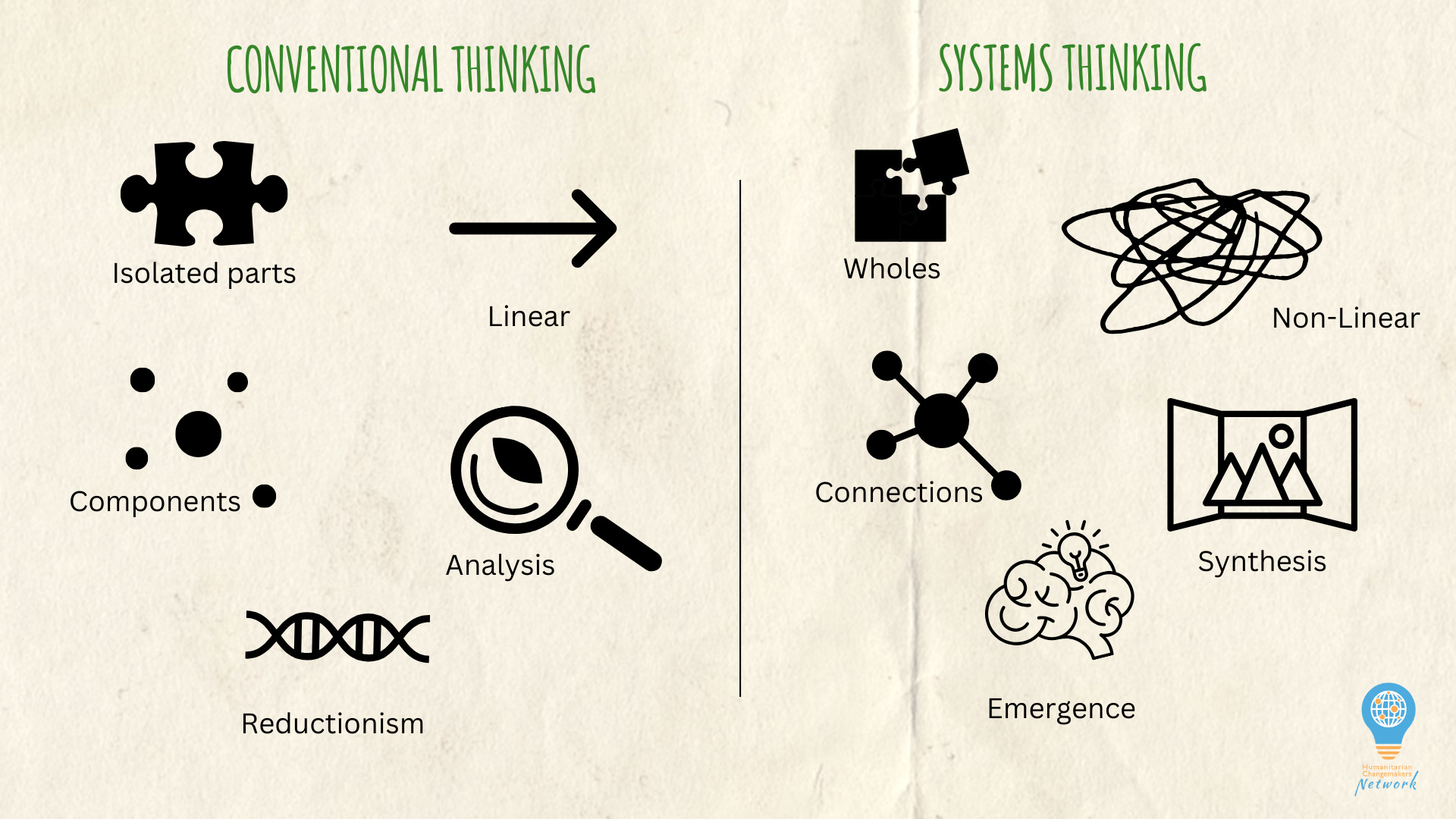
In contrast, conventional thinking often isolates problems and addresses them in isolation, leading to solutions that may create unintended consequences in other parts of the system. For example, increasing agricultural yields through chemical fertilisers might solve short-term food shortages but can lead to soil degradation and water pollution in the long term. Systems thinking, on the other hand, seeks to identify patterns, relationships, and leverage points within a system, enabling solutions that enhance the whole rather than benefiting one part at the expense of another.
Observation and interaction are central to systems thinking because they allow us to understand these complex dynamics. By observing how elements interact and change over time, we can identify patterns and relationships that inform holistic and effective design strategies.
Observation and Interaction in Design Thinking
Design thinking complements systems thinking by providing a structured, human-centred approach to problem-solving. It emphasises creativity, empathy, and iteration to develop solutions that meet real needs. The stages of design thinking—empathise, define, ideate, prototype, test, and iterate—mirror the process of observation and interaction in permaculture.
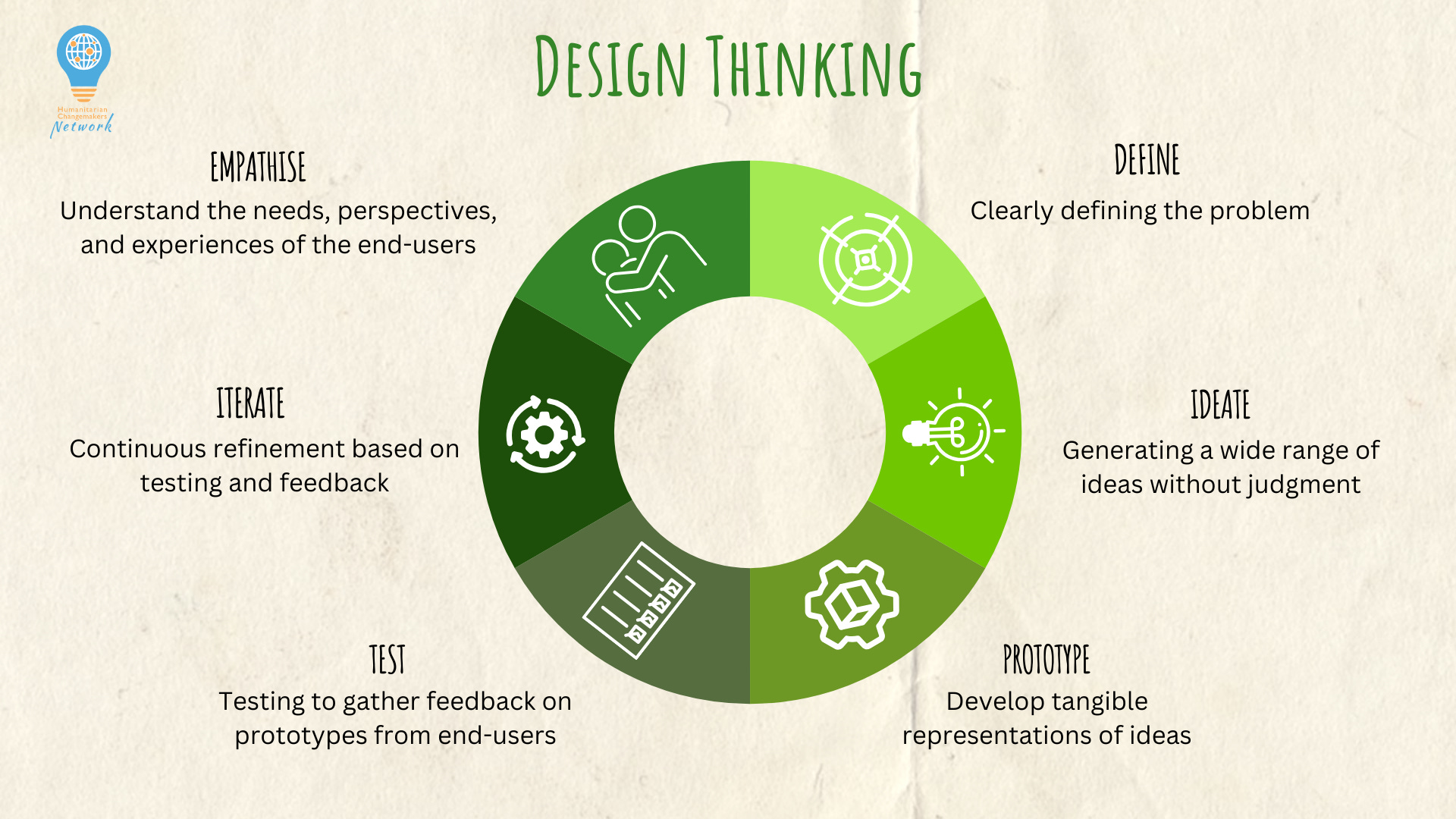
Empathise: This stage involves immersing oneself in the user’s experience to deeply understand their needs, challenges, and context. In permaculture, this corresponds to observing the relationships between elements in an ecosystem or community.
Define: Based on insights from the empathise stage, the problem is clearly articulated, creating a foundation for effective solutions.
Ideate: This is the creative phase where multiple solutions are brainstormed. Permaculture encourages thinking in terms of patterns and systems to generate innovative design ideas.
Prototype: Prototypes are small-scale versions or representations of the proposed solution, allowing for experimentation and refinement.
Test: Prototypes are tested in real-world conditions, providing feedback that informs improvements.
Iterate: The process is cyclical, with each stage revisited as needed to refine and optimise the design.
Observation and interaction are integral to each stage of design thinking, ensuring that the process remains grounded in real-world contexts and dynamic feedback.
The Role of Observation in Permaculture
Observation in permaculture goes beyond simply looking; it is an active and intentional process of learning from the patterns, behaviours, and relationships within a system. By dedicating time to observe, we gain insights into the unique characteristics of a site, including its microclimates, soil conditions, water flow, and existing biodiversity.
For example, observing the way water moves through a landscape during different seasons can inform the placement of swales, ponds, or gardens to optimise water retention. Similarly, understanding the habits of pollinators can influence the placement of flowering plants to maximise their impact on crop yields.
Observation is also iterative and ongoing. Conditions change over time, and continual observation ensures that designs remain adaptive to these changes. In this way, observation acts as the foundation for systems thinking, helping us to see the bigger picture and identify leverage points for intervention.
The Role of Interaction in Permaculture
Interaction builds upon observation by encouraging active engagement with the system. This may involve testing ideas on a small scale, interacting with local communities, or experimenting with planting arrangements. Through interaction, we gather feedback that refines our understanding and informs better decision-making.
Interaction is not limited to human activity; it includes fostering relationships between system elements. For instance, planting a guild of mutually beneficial plants, such as nitrogen-fixers alongside fruit trees, creates interactions that enhance the productivity and resilience of the entire system.
By observing and interacting, we move beyond static designs and create dynamic, evolving systems that respond to both external changes and internal growth.
Tool SWOT Analysis
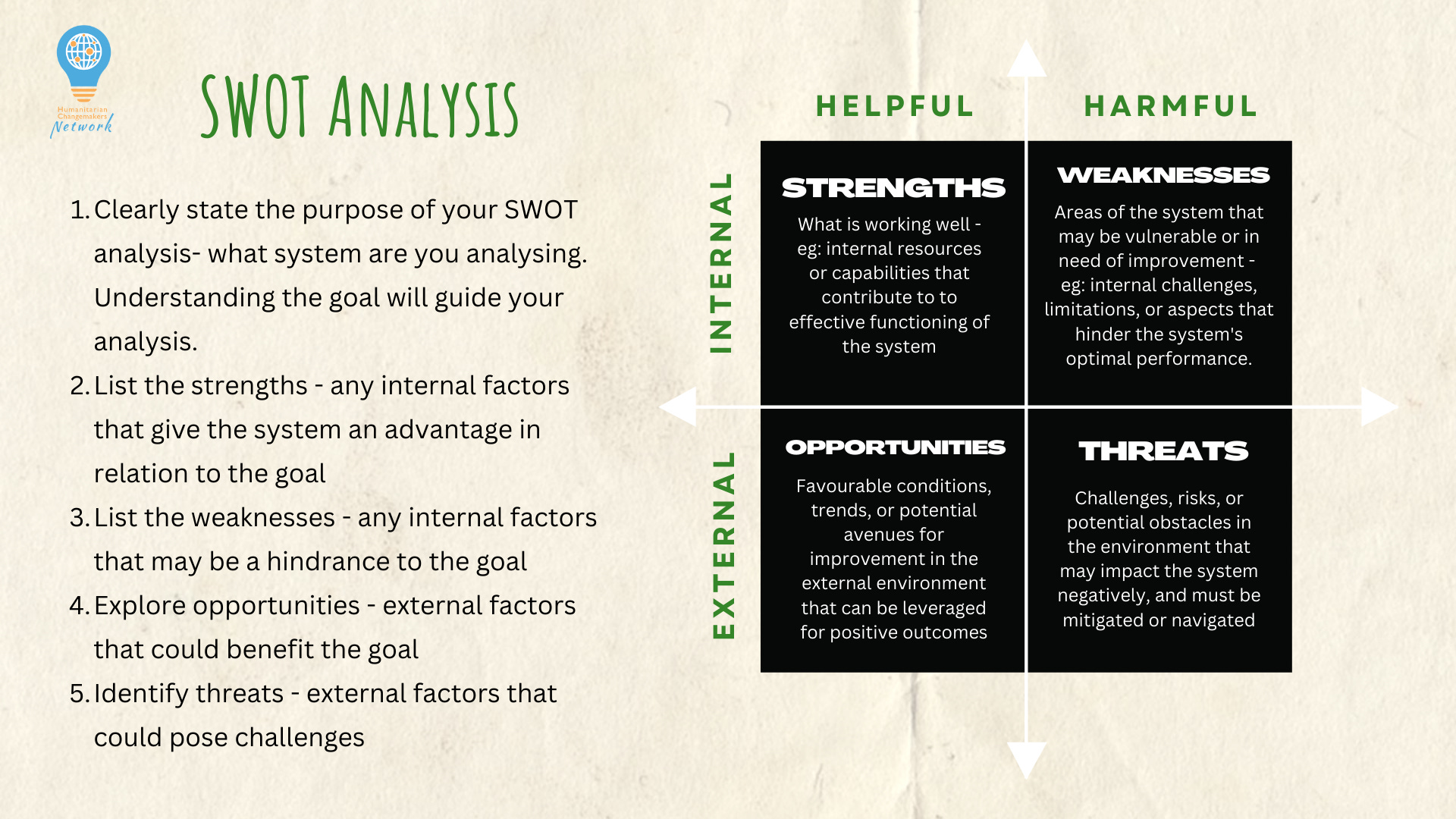
A SWOT analysis is an effective tool for observing and interacting within systems because it provides a structured framework for assessing the internal and external dynamics of a situation. By identifying Strengths and Weaknesses (internal factors) and Opportunities and Threats (external factors), it encourages deep observation of the system’s current state and its broader context. This process fosters awareness of existing resources, capacities, and limitations, while also uncovering potential leverage points and risks. Interaction comes into play as insights gained through the SWOT analysis guide actions and adaptations, enabling iterative design and real-time responsiveness. For example, in a permaculture project, recognising the strengths of fertile soil and the threat of seasonal droughts can inform water harvesting strategies that integrate these observations. In this way, a SWOT analysis bridges reflection and action, making it a valuable tool for systems thinking and dynamic problem-solving.
The principle of "Observe and Interact" is the cornerstone of permaculture because it aligns with the core tenets of systems thinking and design thinking. Observation allows us to understand the interconnected dynamics of a system, while interaction enables us to test, learn, and adapt. Together, these processes form a feedback loop that ensures designs are not only sustainable but also resilient and responsive to change.
By applying this principle, we move from imposing solutions onto systems to co-creating solutions with them. This shift in perspective is transformative, fostering harmony between humans and the natural world and setting the stage for a regenerative future.